The Ultimate Manual on Custom-made Steel Fabrication Solutions for Structural Projects
In the world of structural jobs, the significance of custom-made steel fabrication options can not be overstated. From the fundamental understanding of steel fabrication fundamentals to the detailed process of picking the most appropriate products, every step in this journey plays a crucial role in the utmost success of a project. As we navigate via the complexities of style factors to consider, fabrication processes, and quality assurance measures, a detailed manual functions as a directing light for specialists looking for excellence in steel construction remedies. Stay tuned to uncover the insights that can reinvent the means structural projects are approached and carried out.
Recognizing Custom Steel Fabrication Basics
Delving into the fundamentals of customized steel construction offers insight into the intricate process of transforming raw steel right into tailored architectural elements. Custom-made steel construction is a specific manufacturing technique that involves cutting, shaping, and assembling steel products to develop one-of-a-kind frameworks according to certain job requirements. Understanding the essentials of personalized steel construction is vital for making sure the successful execution of architectural jobs.
The process typically starts with the analysis of job specifications and layout needs. This preliminary phase entails in-depth preparation and partnership between designers, developers, and fabricators to figure out the most ideal method for making the steel elements. Accuracy is key during the construction procedure, as even minor variances can affect the structural stability of the end product.
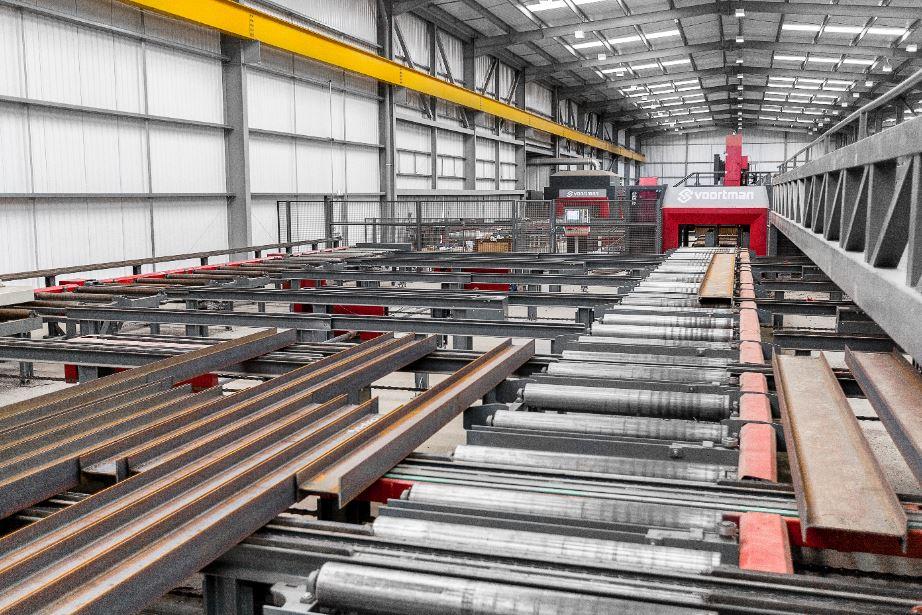
Numerous techniques, such as reducing, welding, and shaping, are employed to transform raw steel right into the preferred architectural elements. Skilled producers make use of sophisticated equipment and tools to make sure precision and consistency throughout the manufacture procedure. Quality control actions are executed to confirm the honesty of the fabricated elements prior to they are put together on-site, making certain compliance with market requirements and task specifications.
Choosing the Right Steel Products
First and primary, the type of structural project and its specific needs play a crucial role in establishing one of the most appropriate steel materials. Elements such as the load-bearing capacity, ecological problems, and preferred life expectancy of the structure will certainly determine the grade and type of steel that need to be made use of.
Additionally, the physical homes of the steel, including weldability, ductility, and stamina, must straighten with the job's demands to ensure optimal efficiency and toughness (steel fixing). Additionally, factors to consider such as rust resistance, cost-effectiveness, and availability of the steel products should likewise be taken into account throughout the selection procedure
Design Factors To Consider for Structural Jobs
Architectural projects require meticulous interest to design factors this website to consider to ensure both performance and safety are prioritized throughout the building and construction process. When it comes to making structural jobs, numerous essential variables should be taken right into account to guarantee the success of the venture. By meticulously considering these elements throughout the design phase, designers and engineers can make certain the structural job's success from perception to conclusion.
Streamlining Manufacture Procedures for Effectiveness
Moreover, carrying out lean manufacturing principles can significantly enhance performance in steel fabrication. By lessening waste, maximizing workflow, and improving interaction between different groups entailed in the fabrication process, tasks can be completed much more quickly and with greater top quality standards.
Additionally, developing an efficient production schedule and process can assist in focusing on jobs, assigning resources successfully, and conference task target dates promptly. By having a clear plan in location and consistently monitoring development, any type of prospective traffic jams or hold-ups can be determined and resolved without delay, making sure smooth and effective construction processes for structural jobs.
Quality Assurance and Job Administration in Steel Construction
To make sure the successful execution of steel fabrication projects, precise quality control measures and effective project monitoring techniques are crucial parts in keeping accuracy and meeting client expectations. Quality assurance in steel manufacture involves rigorous evaluations at various stages of the construction procedure to validate compliance with job specifications and market standards. This consists of material testing, dimensional checks, and weld inspections to ensure architectural stability and safety.
Task monitoring plays a critical function in coordinating the numerous elements of steel fabrication tasks, such as organizing, resource appropriation, and interaction among employee. A distinct job plan with clear purposes, turning points, and timelines aids to keep an eye on progress and resolve any type of potential problems proactively. Effective interaction between all stakeholders, consisting of clients, producers, engineers, and specialists, is essential for ensuring that the job proceeds smoothly and satisfies the wanted quality requirements.
Verdict
In final thought, personalized steel fabrication plays an important duty in structural projects by supplying customized solutions utilizing the ideal products and design considerations. Effectiveness in construction procedures, quality assurance, and effective job administration are crucial for effective outcomes. By understanding the fundamentals of custom-made steel manufacture and applying streamlined processes, project teams can deliver premium and sturdy structures that meet the particular requirements of their clients.
Customized steel construction is a specific manufacturing method that involves cutting, shaping, and putting together steel materials to create distinct structures according to specific task needs.To make certain the effective implementation of steel construction jobs, precise quality control measures and reliable task administration look at here now methods are vital components in maintaining accuracy and conference client expectations. Quality control in steel manufacture includes rigorous inspections at numerous phases of the construction process to validate compliance with project requirements and market requirements pop over here (metal fabrication melbourne).Job management plays a crucial duty in collaborating the various facets of steel construction tasks, such as organizing, resource appropriation, and communication amongst team participants.In final thought, custom steel manufacture plays an important role in architectural projects by supplying tailored options using the best products and style factors to consider